Posts

Showing posts with the label Mineral Deposit

isotropic and anisotropic

Isotropic materials have the same physical properties in all directions, while anisotropic materials have different properties in different directions. An isotropic material will have the same strength, stiffness, and other properties regardless of the direction in which it is loaded or measured. For example, a piece of steel is isotropic because its strength, stiffness, and other properties are the same in all directions. On the other hand, an anisotropic material has different properties in different directions. For example, wood is an anisotropic material because its strength, stiffness, and other properties are different along the grain compared to perpendicular to the grain. Another example is a fiber-reinforced composite, which is made up of fibers (such as carbon or glass) that are aligned in a specific direction and embedded in a matrix (such as resin). The fibers provide strength and stiffness in the direction they are aligned, making the composite anisotropic in that directi...

strata-bound deposits

strata-bound deposits Strata-bound deposit types, minerals. Strata-bound deposits are mineral deposits that are confined to specific layers or strata of rock. There are several types of strata-bound deposits, including: Sedimentary exhalative (SedEx) deposits: These form from hot fluids that exsolve from volcanic or hydrothermal systems and deposit minerals in layers of sedimentary rock. Examples include sedimentary copper and lead-zinc deposits. Skarn deposits: These form from the alteration of limestone or dolostone by hot fluids, resulting in the precipitation of iron, lead, zinc, and other metals in the altered rock. Examples include the iron-copper skarns of the American Cordillera and the lead-zinc-silver skarns of the Mediterranean region. Volcanogenic massive sulfide (VMS) deposits: These form from the precipitation of sulfide minerals in submarine volcanic environments. Examples include the massive sulfide deposits of the Iberian Pyrite Belt and the Noranda deposits in Cana...

Stratiform Deposits.

Stratiform Deposits. Stratiform Deposits Mining Stratiform Deposits. types, examples, mining methods.  Stratiform deposits are mineral deposits that occur in layers or strata within the Earth's crust. These deposits can be formed through a variety of processes, including precipitation from mineral-rich fluids, precipitation from hydrothermal fluids, and sedimentation. There are several types of stratiform deposits, including: Sedimentary rock-hosted deposits, which form within sedimentary rock and can include coal, phosphate, and iron deposits. Volcanogenic massive sulfide deposits, which form in volcanic environments and can include copper, zinc, and lead deposits. Stratabound copper-lead-zinc deposits, which form in sedimentary rock and can include copper, lead, and zinc deposits. Examples of stratiform deposits include: The copper deposits in the Copperbelt of Zambia and the DRC The lead-zinc deposits of the Mississippi Valley type (MVT) The iron formations of the Lake Superi...

Common Minerals

Image
Common Minerals About 107 elements are detected in laboratories, of which but only eight are found in abundance in the composition of the outer surface of the earth. These elements make up 98% of the Earth's visible crust. These are given (in order of frequency).  Oxygen              - 47% Calcium                3.5% Talc                     - 28% Sodium                 2.5% Aluminum              - 8% Pvtasym                    2.5% Iron                          - 5% magnesium           2.0% Total                98.5% Combinations of, these e...

Geochemically abundant and scarce metals

Image
Geochemically abundant and scarce metals Industrial and technological Metals applications can be divide into two categories based on their frequency of existence in the Earth's crust. Abundant geochemical metals, which are five elements (aluminium, iron, magnesium, manganese, and titanium), make up more than 0.1 percent of the earth's crust, while geochemical scarce metals, which include other metals as well (Including copper, lead, zinc, gold and silver), account for less than 0.1%. Almost in every rock, by accurate chemical analysis, at least small amounts of all metals can be detected. However, there are important differences in how abundant and rare metals occur in ordinary rocks. Geochemically abundant metals are present as basic constituents in minerals. Basalt, for example, is a common igneous rock composed mainly of the olivine and pyroxene (iron-magnesium silicate) minerals, feldspar (sodium-calcium-aluminium silicate), and ilmenite (iron titanium oxide). Accurate chem...

نهشت کانی سپرده های معدنی

Image
 نهشت کانی، سپرده معدنی (Mineral Deposits) سپرده معدنی ، تجمیع یک ماده معدنی با غلظت غیرمعمول بالا را گویند. حدود نیمی از عناصر کیمیایی شناخته شده دارای برخی ازخواص فلزی هستند. گرچه اصطلاح فلز فقط برای آن دسته ازعناصر شیمیایی اختصاص داده شده است که دارای دو یا چند مورد از خصوصیات فیزیکی مشخص فلزات (کدورت ، تورق، انعطاف پذیری، قابلیت ذوب) هستند وهمچنین رساناهای (conductors) خوبی برای گرما و برق هستند. تقریباً 40 فلز از طریق استخراج و ذوب مواد معدنی که در آنها موجود اند در دسترس قرار می گیرند.  انواع خاصی از مواد معدنی را می توان با آسودگی بیشتری نسبت به بقیه ذوب کرد؛ که معمولاً بنام مواد معدنی یاد میشوند. مواد معدنی معدنی تمایل دارند که در توده های سنگی محلی و کوچک متمرکز شوند که در نتیجه فرآیندهای خاص زمینی تشکیل می شوند و به این غلظت های محلی رسوبات معدنی گفته می شود. سپرده های معدنی همان چیزی هستند که جستجوگران به دنبال آن هستند. اصطلاحات کانه (ore mineral) و سپرده معدنی در اصل فقط برای کانی یا منرال ها و مواد معدنی که فلزات از آنها بازیابی می شد مورد استفاده قرار می گرفت، ا...

سلیکیت ها

Image
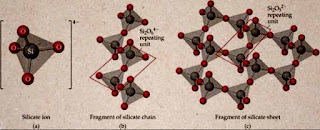
سلیکیت ها فلسپارها:  این ها سلیکیت های پیچیده المونیم همرای پوتاش است،‌ سودا و آهک وافر ترین در سنگ های اذری هستند. فلسپار پوتاش که اورتوکلاز نیز یاد میشود، معمول ترین نوع است. رنگ آن سفید،‌ خاکی یا گلابی،‌ دارای جلای شیشیه یی میباشد. در اثر هوازدگی از خود، سلیکیت آب زده المونیم بنام کاولین یا خاک رس چین،‌ بجا میگذارد. سودا و آهک فلسپار بنام پلاجیوکلاز یاد میشود. اینها هم بهمین شکل فرسوده و تجزیه میشوند. فلسپارهای پلاجیوکلاز در بیشتر سنگ های آذرین مخصوصاً گونه های تاریکتر آن غنی از آهک میباشد. (وزن مخصوص = ۲.۶؛ درجه سختی = ۶). میکا:‌  گونه سفید آن بنام مسکوفایت (سلیکیت المونیم و پوتاشیم) و گونه سیا بنام میکا سیا یا بیوتایت (سلیکیت المونیم،‌ آهن و مگنیزیم). میکا به آسانی با ناخن انگشت خراشیده میشود، وخط شکستگی آشکارا دارد. میکا تشکیل دهنده معمول سنگ های آذرین و شیست متبلور میباشد (وزن مخصوص = ۲.۷ تا ۳.۱؛ درجه سختی = ۲.۵). هرن بلند (امفیبول سیاه) و آژیت:  منرال های پیچیده سلیکیت کلسیم، مگنیزیم، آهن میباشند. هر دو این ها سیاه مایل به سبز میباشند. هرن بلند بنا...

کانی ها (منرالها) رایج

Image
کانی ها (منرالها) رایج تقریبا 107 عنصر در لابراتوار ها تشخیص شده،‌ ازین تعداد اما فقط ۸ عدد عنصر در ترکیب قسمت بیرونی زمین به فراوانی یافت میشوند. در حقیقت این عناصر ۹۸٪ پوسته قابل دید زمین را میسازند. این ها (به ترتیب فراوانی) داده شده اند. اکسیجن        -    ۴۷٪‌         کلسیم         ۳.۵٪‌ سلیکان        -    ۲۸٪        سودیم        ۲.۵٪ المونیم        -    ۸٪        پوتاسیم        ۲.۵٪ آهن         -    ۵٪         مگنیزیم        ۲.۰٪                         مجموعه  ...

Indicated , inferred, measured resources

Image
inferred  mineral resource  indicated mineral resource  measured mineral resource inferred mineral resource is that part of a mineral resource for which quantity and grade or quality can be estimated On the basis of geological evidence and limited sampling  An indicated mineral resource is that part of a mineral resource for which quantity, grade or quality, densities, shape and physical characteristics, can be estimated A measured mineral resource is that part of a mineral resource for which quantity, grade or quality, densities, shape and physical characteristics are so well established that they can be estimated estimated with a low level of confidence. It is inferred from geological evidence and assumed but not verified geological or grade  level of confidence sufficient to allow the appropriate application of technical and economic parameters, to support mine planning and evaluation of the economic viability of the deposi...

life-cycle assessment (LCA)

Image
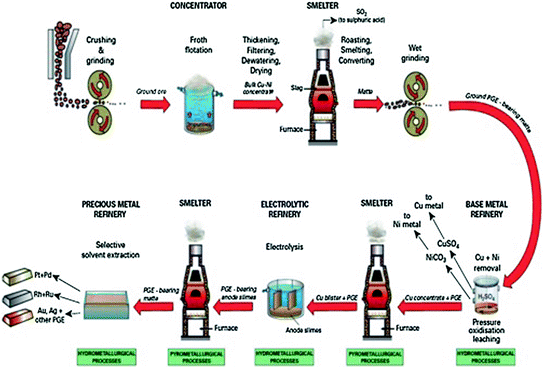
life-cycle assessment (LCA)  A life-cycle assessment (LCA, also known as life-cycle analysis, ecobalance, and cradle-to-grave analysis) is a technique to assess environmental impacts associated with all the stages of a product's life from-cradle-to-grave (i.e., from raw material extraction through materials processing, manufacture, distribution, use, repair and maintenance, and disposal or recycling).  LCA’s can help avoid a narrow outlook on environmental concerns by:  Compiling an inventory of relevant energy and material inputs and environmental releases; Evaluating the potential impacts associated with identified inputs and releases;  Interpreting the results to help you make a more informed decision. Life cycle assessment  PGM LCA  Based on the IPA LCA (international platinum group metal association – life cycle assessment) study of the PGMs life-cycle assessment, the below mentioned benefits and impact were found. I. Impa...

Plate Tectonics and Plate Boundaries

Plate Tectonics and Plate Boundaries

mining & refining nickel ores

Image
 Mining and Refining of Nickel Ores   Mining  Nickel is found in two different types of ore, magmatic sulfide and laterite. The former are usually mined by underground techniques or in large and deep open pits for some new deposits; the latter are mined in shallow pits using heavy earth-moving equipment such as shovels, draglines, and front-end loaders.  Treating Sulfide Ores Beneficiation -— Benficiation is the next step. It converts the ore into a form that can be smelted to separate the metal. The goal of the process is to make a smaller volume that will require less heat and chemicals to separate the metal. Sulfide ore is first ground in large mills to powder that is fine enough that the particle size is less than that of individual grains of the ore minerals. The nickel-bearing minerals are then separated from the gangue by the flotation process. The ground ore is mixed in large vats with water and chemicals such as fatty acids and oils that increase the hydrop...

global distribution of mineral deposits

Image
GLOBAL DISTRIBUTION OF MINERAL DEPOSITS  Copper and Nickel   A large proportion of the resources of this metal are tied up in a single type of deposit, the so-called “porphyry copper” or simply “porphyry” deposits . These deposits are directly associated with subduction and thus are found in island arcs and convergent margins. This is the origin of the string of deposits that extends along the entire western margin of North and South America (Fig.a) and throughout the islands of the southwest Pacific (Indonesia, Philippines, etc.). Large deposits of the same type are also found in accreted island arcs that have been incorporated into continental collision zones, as in the Alpine-Carpathian-Himalayan belt. Another major class of copper deposits formed in mature sedimentary rocks in intracratonic basins, as in the deposits of the central African “copper belt”.  Copper is also found in deposits associated with volcanic rocks, as in the volcanogenic massive ...

classification of ore deposits

tectonic classification of ore deposits  Deposit type sub-classes I. Deposit at oceanic ridges (divergent plate margins) volcanogenic massive sulfide deposits (Cu Zn) Sedimentary exhalative deposits (Zn, Cu, Pb, Au and Ag). e.g. Red Sea Mn nodules (Mn, Ni, Cu, Co …) Cr, PGE, asbestos in ultramafic rocks II. Deposits at convergent plate margins Porphyry Cu-Mo deposits Other base metal deposits (Cu, Pb, Zn, Mo) Precious metals (Pt, Au, Ag) Pb–Zn–Ag veins and contact metasomatic deposits Other metals (Sn, W, Sb, Hg) III. Deposits in cratonic rift systems Deposits of Sn, fluorite, barite in granites Evaporites in rift basins Carbonatites containing Nb, P, REE, U, Th and other rare elements IV. Deposits in intracontinental settings Ni and PGE in layered intrusions ...

Uranium

Image
Uranium Uranium is a chemical element with symbol U and atomic number 92. It is a silvery-grey metal in the actinide series of the periodic table. A uranium atom has 92 protons and 92 electrons, of which 6 are valence electrons. Uranium is weakly radioactive because all isotopes of uranium are unstable, with half-lives varying between 159,200 years and 4.5 billion years. The most common isotopes in natural uranium are uranium-238 and uranium-235. Uranium has the highest atomic weight of the primordially occurring elements. Its density is about 70% higher than that of lead, and slightly lower than that of gold or tungsten. It occurs naturally in low concentrations of a few parts per million in soil, rock and water, and is commercially extracted from uranium bearing minerals such as uraninite. In nature, uranium is found as uranium-238 (99.2739–99.2752%), uranium-235 (0.7198–0.7202%), and a very small amount of uranium-234 (0.0050–0.0059%). Uranium decays slowly by emitting an a...

Introduction to radioactivity and radioactive material

Image
Introduction to Radioactivity & Radioactive material  Radioactivity is the Spontaneous emission of radiation, either directly from unstable atomic nuclei or as a consequence of a nuclear reaction. The radiation, including alpha particles, nucleons, electrons, and gamma rays, emitted by a radioactive substance.  A Closer Look: In the nuclei of stable atoms, such as those of lead, the force binding the protons and neutrons to each other individually is great enough to hold together each nucleus as a whole. In other atoms, especially heavy ones such as those of uranium, this energy is insufficient, and the nuclei are unstable. An unstable nucleus spontaneously emits particles and energy in a process known as radioactive decay. The term radioactivity refers to the particles emitted. When enough particles and energy have been emitted to create a new, stable nucleus (often the nucleus of an entirely different element), radioactivity ceases. Uranium 238, is a very unstabl...

Sandstone uranium deposits

Image
 Sandstone uranium deposits Uranium deposits hosted in Sandstone, occur in medium to coarse-grained sandstones deposited in a continental fluvial or marginal marine sedimentary environment. Impermeable shale/mudstone units are interbedded in the sedimentary sequence and often occur immediately above and below the mineralized sandstone. Uranium precipitated under reducing conditions caused by a variety of reducing agents within the sandstone including: carbonaceous material (detrital plant debris, amorphous humate, marine algae), sulphides (pyrite, H2S), hydrocarbons (petroleum), and interbedded basic volcanics with abundant ferro-magnesian minerals (eg chlorite). There are five main sub-types of sandstone deposits, often mixed: Basal channel deposits – wide channels filled with permeable sediments. Examples are Dalur and Khiagda (Russia), and Beverley and Honeymoon (South Australia). Tabular deposits – irregular, elongate lenticular bodies parallel to the depositional tre...

Unconformity-Related Uranium Deposit

Image
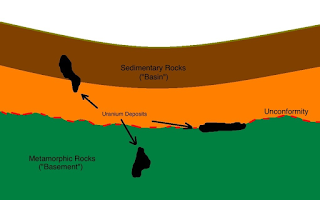
Unconformity-Related Uranium Deposits definition: Unconformity [ŭn′kən-fôr′mĭ-tē] A surface between successive strata representing a missing interval in the geologic record of time, produced either by an interruption in deposition or by the erosion of depositionally continuous strata followed by renewed deposition. An unconformity is a type of discontinuity.  or: An unconformity is time gap in the rock record between two rock units where the lower unit may be deformed, brecciated or altered and the overlying units are less deformed. Uranium deposits can occur in the underlying or overlying units. In the underlying units, there may be a weathering zone, fault zone or some other feature that increases the rocks porosity and permeability. In the overlying units, it may be the sandstones or some other features that allows the concentration of uranium.  Uranium unconformity deposits are generally associated with structures in sedimentary rocks that reflect the erosio...

Popular posts from this blog

Different types of timber support

Indicated , inferred, measured resources

Timber support for different places in mine

50 common word roots, prefixes and suffixes

Options, Call & Put options, futures

Sandstone uranium deposits

Unconformity-Related Uranium Deposit

Roof support in underground coal mine